
Blog
A Strong Shield for Your Data Security: DLP
5 September 2023
Data security has become one of the most important issues of our time. Organizations are looking for advanced solutions to keep their sensitive information out of the hands of bad actors and to stay compliant with regulators. In that context, a powerful tool such as Data Loss Prevention (DLP) plays an important part in providing and managing data security.
What is Data Loss Prevention?
Data Loss Prevention (DLP) refers to a set of policies and procedures aimed at preventing sensitive or confidential data from leaking, being lost or being misused. It involves applying technologies and strategies that help businesses identify, monitor and protect sensitive information, including intellectual property, financial and personally identifiable information, and other confidential data.
With DLP solutions you can make sure your sensitive and important data stays securely on company devices, control access to it, and detect malicious behaviour at the same time.
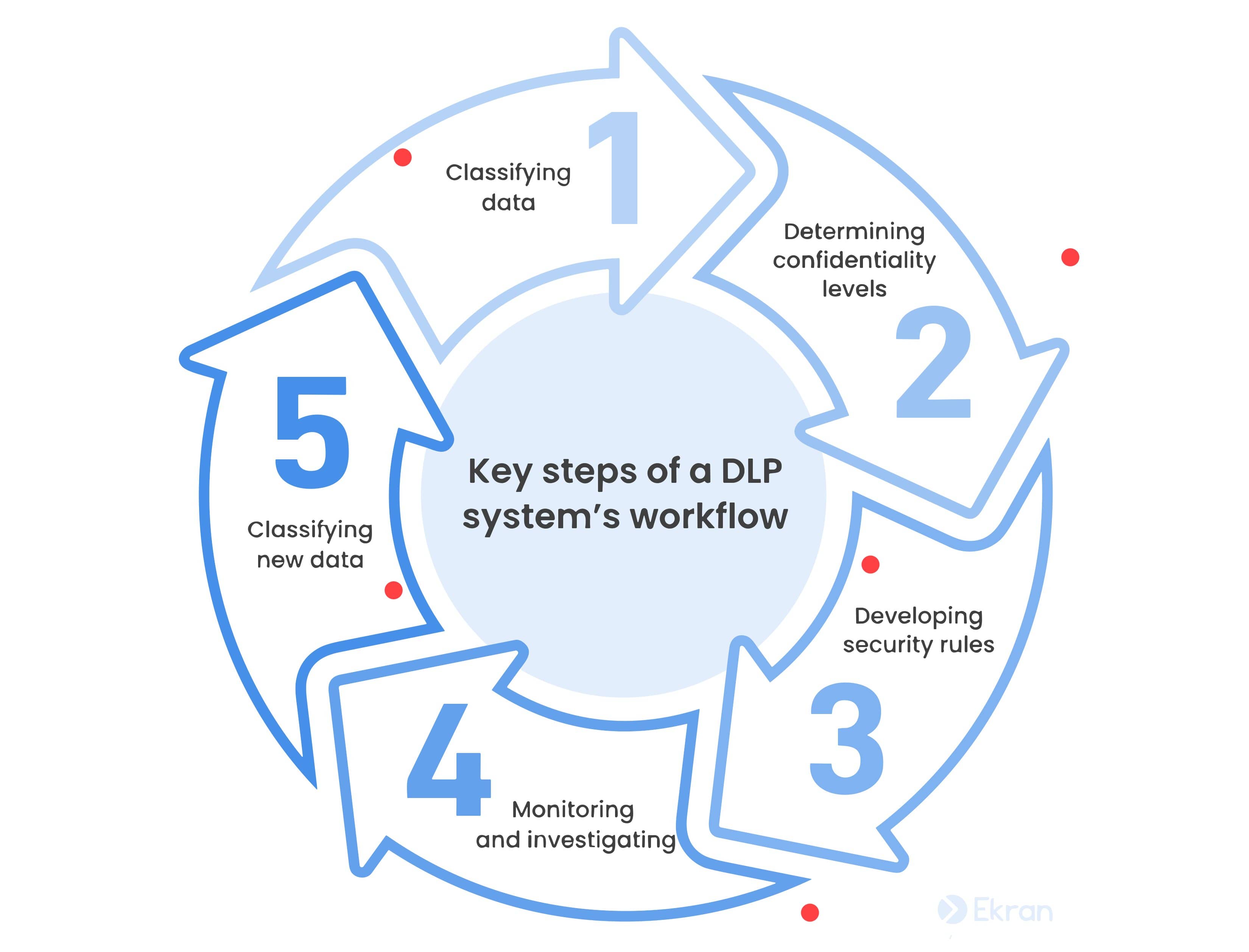
Let us take a look at the main capabilities of DLP:
- Data monitoring: DLP allows organizations to monitor the data on their networks continuously, so they can examine how sensitive information is used and transmitted.
- Data protection: when DLP detects sensitive data it can protect that data automatically, which helps keep it safe from unauthorized access.
- Policy management: DLP lets organizations manage their data security policies easily, which minimizes unnecessary risk.
- Threat detection and prevention: DLP can detect threats aimed at exfiltrating data and take automatic measures to stop them.
Who should use DLP?
DLP matters for any institution or organization that works with data. The following sectors in particular can make use of it:
- Finance: protecting sensitive data such as customer information, financial data and payment card details is a priority for financial institutions.
- Healthcare: the protection of sensitive health data such as medical records and patient information is subject to legal regulation.
- Technology: technology companies can use DLP to protect their product development processes and patent information.
In today's digital world, data is the greatest asset organizations and individuals have. Yet protecting that data and preserving its privacy is a growing concern. In Turkey, legal regulations such as the Personal Data Protection Law (KVKK) respond to those concerns by introducing strict rules on the collection, processing and storage of personal data. Data Loss Prevention (DLP) stands out as a security solution that helps businesses meet these kinds of legal obligations.
What is the KVKK?
The Personal Data Protection Law (KVKK) is an important piece of legislation in Turkey covering the processing of personal data. The KVKK aims to preserve the confidentiality and security of personal data while it is being processed. The law regulates operations such as accessing, storing, transmitting and destroying personal data, and encourages a conscious, responsible approach to it.
The relationship between DLP and the KVKK
DLP and the KVKK complement each other in many respects:
Data protection and monitoring: DLP can detect and monitor sensitive data. Monitoring and protecting that data in line with the KVKK's requirements helps organizations stay legally compliant.
Reporting and breach detection: DLP can report detected data breaches. In the event of a KVKK violation, organizations can use that information to make the required notifications and take steps to resolve the issues.
Reducing the risk of a data breach: DLP can help reduce the risk of a data breach, which in turn helps organizations improve their KVKK compliance and avoid penalties.
Training and awareness: training and awareness programmes built in line with KVKK requirements can be made more effective using the data monitoring and reporting information DLP provides.
In short, Data Loss Prevention (DLP) and the Personal Data Protection Law (KVKK) can work together to help organizations protect sensitive data and meet their legal obligations. DLP can be used as an important tool in achieving KVKK compliance and can improve an organization's data security. Organizations should therefore consider security solutions such as DLP in their efforts to comply with the KVKK.
Conclusion
Data Loss Prevention is a powerful tool for improving an organization's data security and protecting sensitive information. Providing effective protection against data loss and leaks both prevents reputational damage and makes regulatory compliance easier. DLP is an important part of any data security strategy and a tool worth using.
This article offers a general overview of Data Loss Prevention. Depending on your organization's needs and requirements, it is important to carry out a more detailed assessment.
Enablement
This is a service Ateon provides specifically around Data Loss Prevention products, built on more than 15 years of industry experience. Through this service, having the DLP product governed by the right data lightens the workload on IT departments and brings business units into the process.